Corruption is the abuse of entrusted power for private gain.
Corruption happens when someone uses a position of trust, authority or influence to benefit themselves, their friends, family, political allies or business interests instead of acting fairly and in the public interest.
Corruption can occur in government, business, sport, charities, media, law enforcement and many other parts of society. It can involve politicians, public officials, company executives, contractors or ordinary citizens.
Corruption can range from “petty corruption”, such as small bribes for everyday services, to “grand corruption”, involving powerful political or business elites manipulating systems for large-scale private gain.
Corruption takes many forms, including:

Corruption damages trust and weakens democracy. It diverts public money away from schools, hospitals, infrastructure and essential services. It can increase inequality, distort political decisions and undermine confidence in public institutions.
The impacts of corruption include:
Corruption often thrives where there is secrecy, weak accountability and limited transparency.
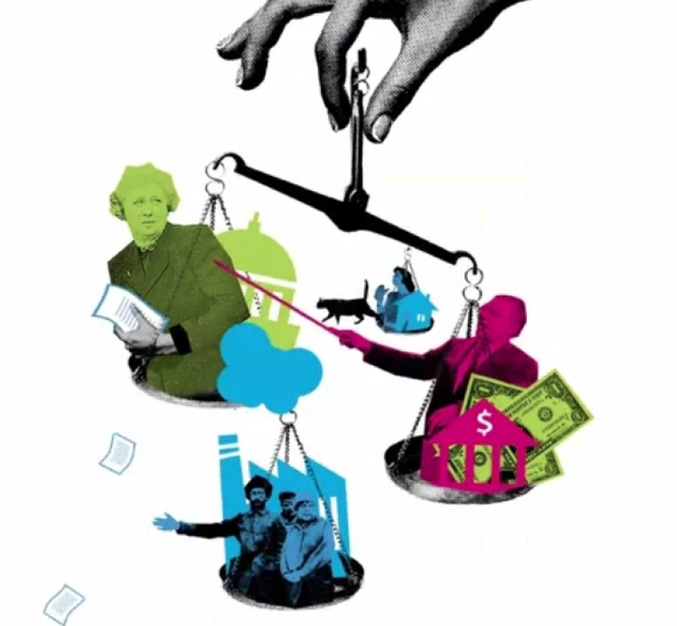
Corruption is not always dramatic or obvious. It can appear in everyday situations, such as:
Even when certain behaviour is technically legal, it may still undermine fairness, integrity and public trust.
Reducing corruption requires strong institutions, transparency, accountability and public participation.
Important anti-corruption measures include:
Transparency and accountability help ensure that power is exercised fairly and in the public interest.
Corruption often thrives where there is secrecy, weak accountability and limited transparency.


