

Ahead of the election money in politics, lobbying, hidden company ownership and the speed of law-making have become live campaign issues. Who is promising what, or not?
Why it matters
New Zealand ranks fourth in the world on Transparency International's Corruption Perceptions Index, but its score has been sliding, and at pace: two points lost each year over the last four years.
Why? We have seen an increase of corruption cases in Corrections, the police, construction, immigration, licensing and public procurement.
And around political funding those responding to the surveys and assessments that feed into the CPI and other measures of public trust think there is more influence of big money on politics.
Times are tough for many New Zealanders, and not surprisingly they want to know whose priorities are being advocated where power sits. The sums of private donor money are sizable and, as research by Rashbrooke and Marriott shows, donors expect to secure extraordinary proximity to decision-makers.
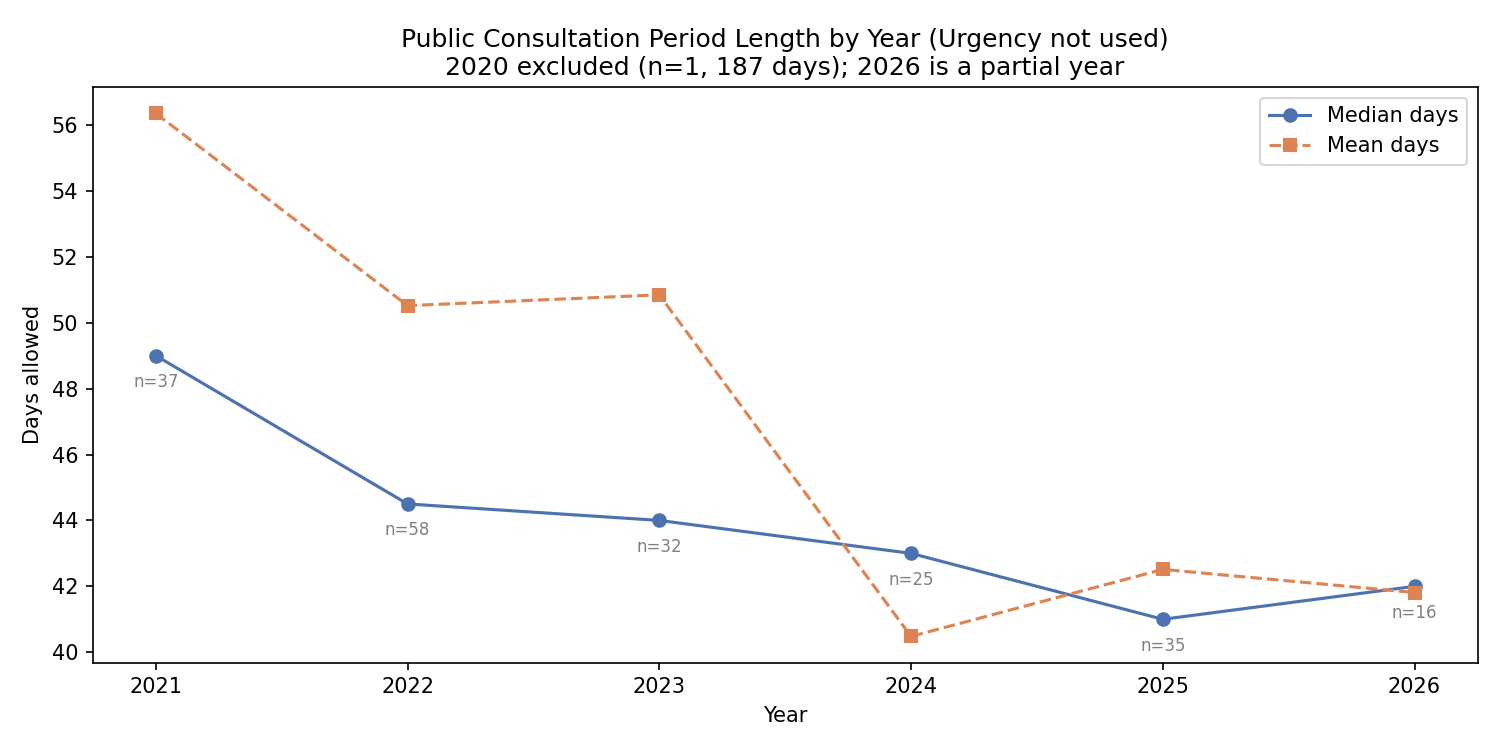
There has also been rushed law-making. Our research shows and Parliamentary Library figures (as obtained by and reported by RNZ) have affirmed that full urgency has been used at an unprecedented rate. 17.4% of bills sent for Royal Assent in this term passed through every stage at once, skipping the select committee and the public submission process altogether. Urgency has been used far too often and the rush to pass legislation has reduced the opportunity for the public to comment.
As part of this pressure the period for consultation has also been reduced.
What are parties promising?
We have had a look at the promises being made by political parties around transparency – relating to political donations, lobbying, market controls, public participation. Below is what is known as of 5 October.
Don’t miss your chance to ask politicians what they will do to enhance and protect democracy.
Questions worth asking your candidates
- Do you support a register of lobbyists?
- What changes, if any, are needed to donation rules — including caps or faster disclosure?
- What more should be done to make company and trust ownership transparent?
- What one integrity or transparency reform would you champion in the next Parliament, regardless of your party's position?
With three of the biggest parties - National, ACT and New Zealand First - yet to say where they stand, these are the questions most likely to fill the gaps before 7 November.
Advance voting opens on 26 October and the last day to enrol is 25 October.


